- Lead Works & Flashing
Lead Works & Flashing in Gloucestershire
Expert leadwork and flashing services for homes across Gloucester, Cheltenham, Stroud and Tewkesbury — precision craftsmanship that keeps water out for good.
Expert Leadwork & Flashing From Local Specialists
Flashing is one of the most critical yet often overlooked elements of any roofing system. It’s the material — most commonly lead — that seals the joints and transitions between your roof and other parts of your home, such as chimneys, skylights, walls and valleys. When flashing is correctly installed, it creates a watertight barrier that protects your home from water ingress for decades. When it fails, even partially, water can penetrate your roof structure and cause significant and costly damage before you even realise there’s a problem. At JB Roofing & Guttering, we provide expert leadwork and flashing services for homeowners across Gloucestershire, combining traditional craft skills with modern techniques to deliver results that are both functional and long lasting.
Lead has been used in roofing for centuries and remains one of the most reliable and durable materials available for flashing and weatherproofing work. Our team has the experience and expertise to work with lead across all areas of your roof, from intricate chimney detailing to valley work and everything in between. Whether you need a straightforward flashing repair or a complete leadwork installation on a new or refurbished roof, we bring the same level of care and precision to every job. We serve homeowners throughout Gloucester, Cheltenham, Stroud, Tewkesbury and the wider Gloucestershire area.
Our Leadwork & Flashing Services
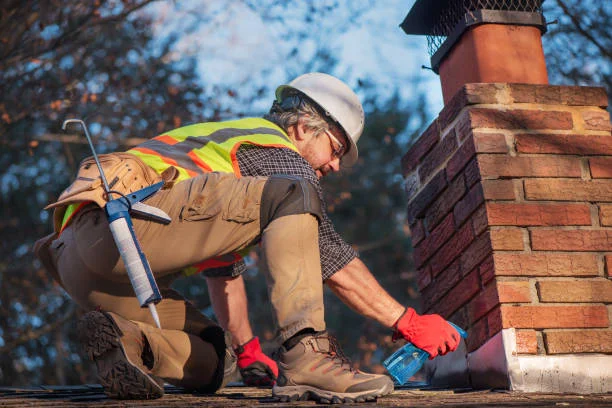
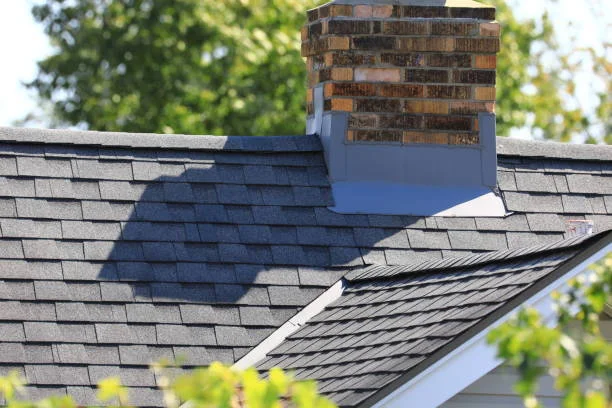
Chimney Flashing
The junction between your chimney stack and the roof covering is one of the most vulnerable points on any roof. We install and repair chimney flashing to create a fully weatherproof seal around the base of your stack, preventing water from tracking down into your roof structure and causing damage.
Skylight Flashing
Skylights and roof windows are a fantastic addition to any home, but they must be correctly flashed to prevent leaks. We fit and repair skylight flashing to ensure a watertight seal around the entire perimeter of your roof window, keeping your interior dry regardless of the weather.
Drip Edges
Drip edge flashing is fitted along the eaves and rakes of your roof to direct water away from the fascia and into the guttering below. It's a small but important detail that protects your roofline timbers from water damage and ensures rainwater is channelled exactly where it should go.
Step Flashing
Step flashing is used where a pitched roof meets a vertical wall, such as at the side of a dormer or where a roof adjoins a house wall. Installed in overlapping sections that integrate with each course of tiles, step flashing is one of the most effective methods of waterproofing these vulnerable junctions.
Counter Flashing
Counter flashing is used in conjunction with base flashing to create a two-part weatherproof system, most commonly around chimneys and parapet walls. It overlaps the base flashing below, directing water away from the wall joint and preventing it from working its way behind the flashing and into the roof structure.
Kickout Flashing
Kickout flashing is fitted at the point where step flashing meets the gutter, diverting water away from the wall and into the guttering system. Without it, water can run down the wall face and cause serious damp and rot issues over time. It's a small detail that makes a significant difference to the longevity of your roofline.
Apron Flashing
Apron flashing is typically used at the front face of a chimney stack or at the base of a wall where it meets the roof slope. It acts as a protective skirt, shedding water away from the joint and preventing it from pooling or penetrating the roof covering beneath.
Valley Flashing
Roof valleys are one of the highest-risk areas for leaks, as they channel large volumes of rainwater down between two roof slopes. We install and repair valley flashing using quality lead to ensure water flows freely and safely away from your roof without any risk of ingress at this critical junction.
Our Services
Worried About Leaking Flashing?
Faulty or deteriorating flashing is one of the leading causes of roof leaks. If you’ve noticed damp patches, water staining or any signs of water ingress near a chimney, skylight or roof junction, get in touch today for a free assessment and no-obligation quote.
Poor Flashing Is One of the Leading Causes of Roof Leaks — Don't Leave It to Chance
Whether your existing flashing has lifted, cracked or simply reached the end of its life, JB Roofing & Guttering has the skills and experience to put it right. We provide expert leadwork and flashing services for homeowners across Gloucester, Cheltenham, Stroud, Tewkesbury and the wider Gloucestershire area. Get in touch today for your free, no-obligation quote.
F. A. Q
Frequently Asked Questions
Below are answers to some of the questions we’re most commonly asked about leadwork and flashing. If you can’t find what you’re looking for, please don’t hesitate to give us a call or drop us a message — we’re always happy to talk things through.
Common signs of failing flashing include damp patches on ceilings or walls near chimneys or roof junctions, visible gaps or lifting at the edges of the flashing, rust staining on your roof or walls, and in some cases visible cracking or deterioration of the lead itself. If you notice any of these signs, it's worth having it looked at promptly before water damage has a chance to spread.
When correctly installed and maintained, lead flashing can last anywhere from 50 to 100 years, making it one of the most durable roofing materials available. The most common causes of premature failure are poor installation, the use of incorrect fixing methods, or the natural expansion and contraction of the lead over time causing it to lift or crack at the edges.
In many cases, yes. If the flashing is still largely intact but has lifted, cracked at the edges or pulled away from the wall, a targeted repair can restore the weatherproof seal effectively. However, if the lead is old, heavily corroded or has been poorly installed, a full replacement will usually provide a more reliable and longer-lasting result.
Yes. Gloucestershire has a wealth of historic properties, particularly across the Cotswolds and in areas like Cheltenham and Stroud, where sympathetic and accurate leadwork is essential. We have experience working on older buildings where traditional methods and appropriate materials are required, and we're always happy to advise on the best approach for your property.
What We Use :